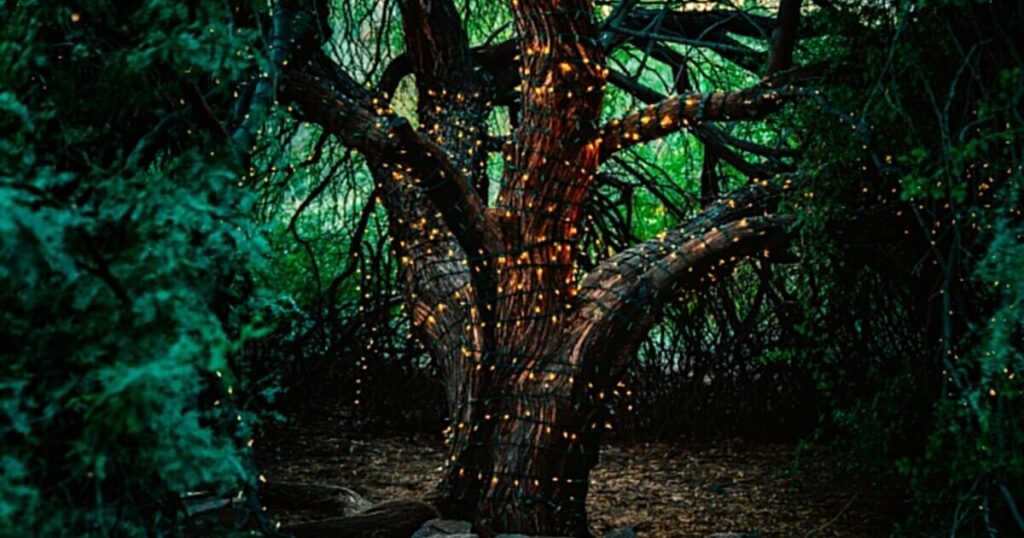
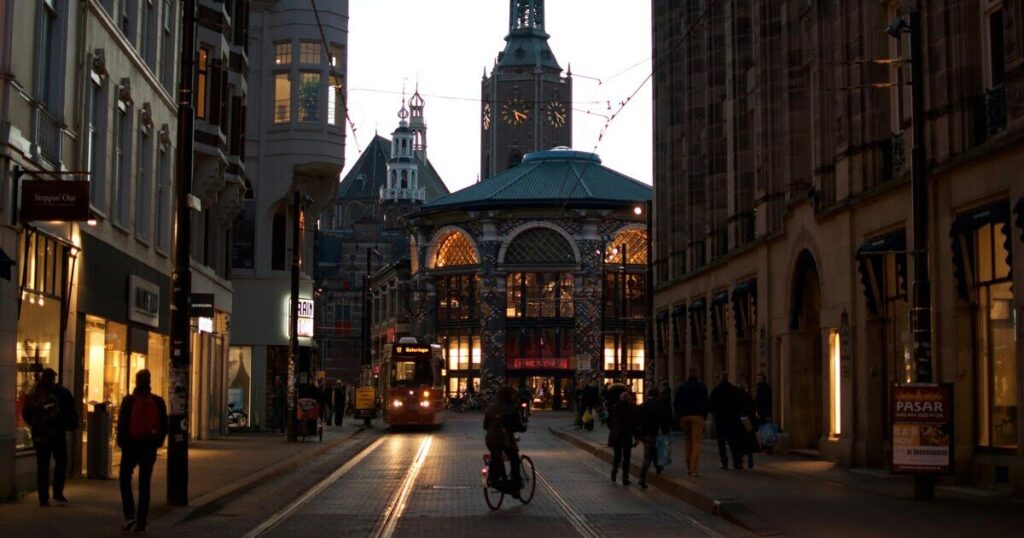
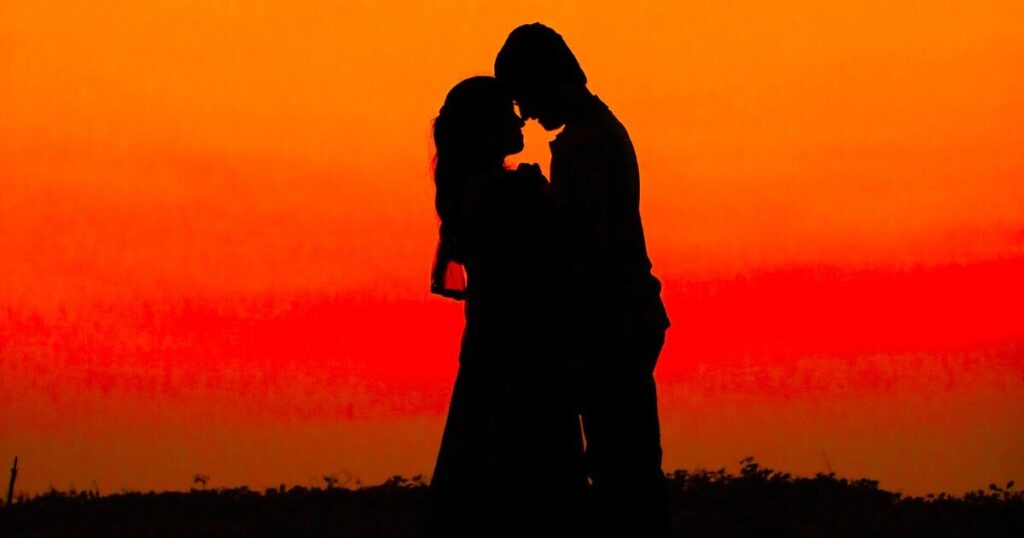
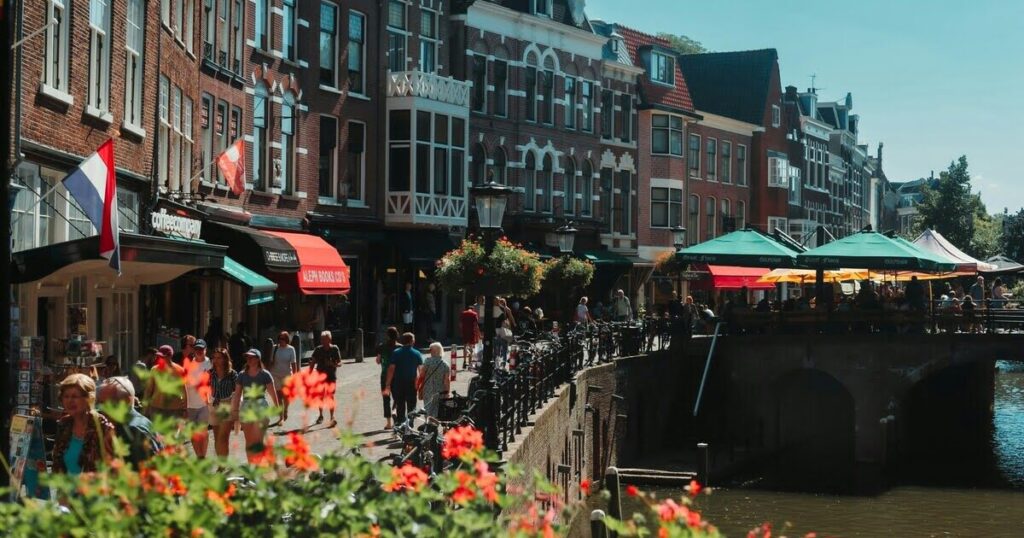
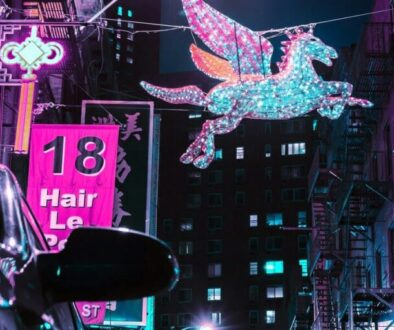
Mood Board for “Murder 1 Floor Up”
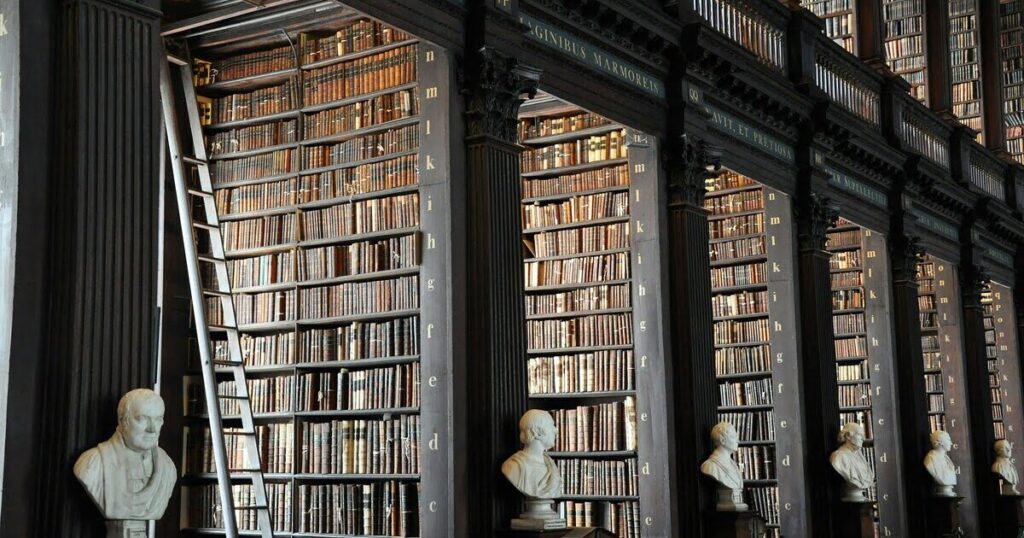
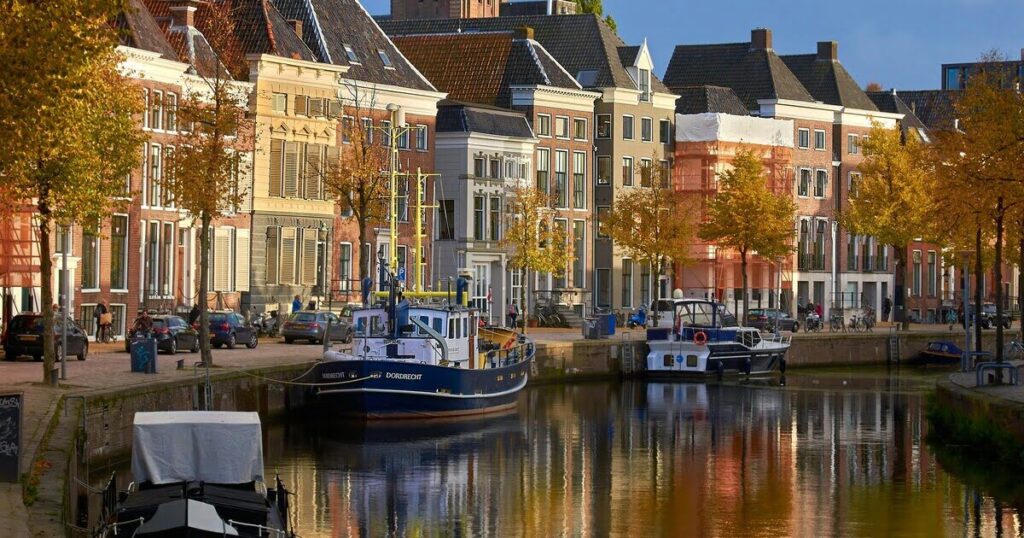
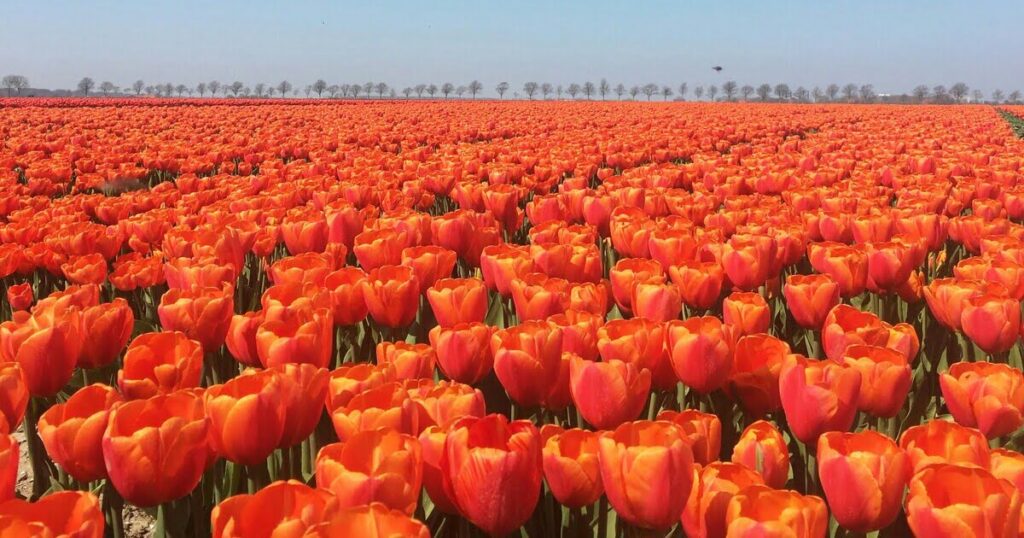
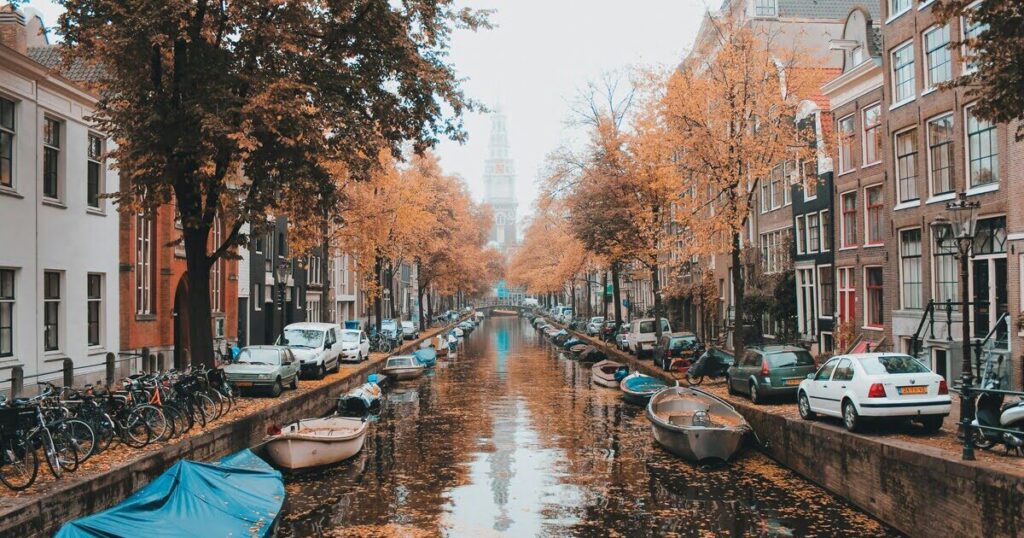
These images capture the moods, themes and locations of my current work in progress, “Murder 1 Floor Up.”
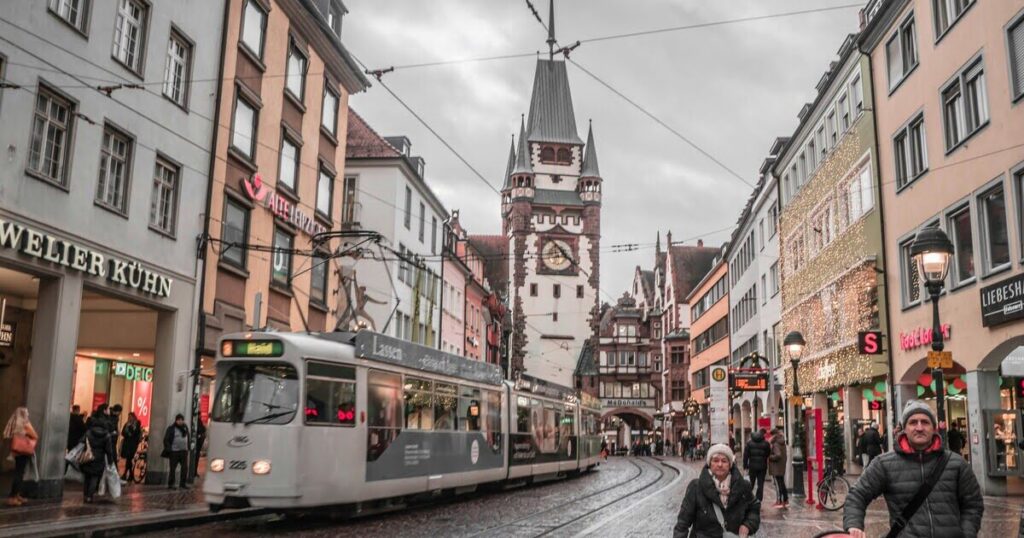
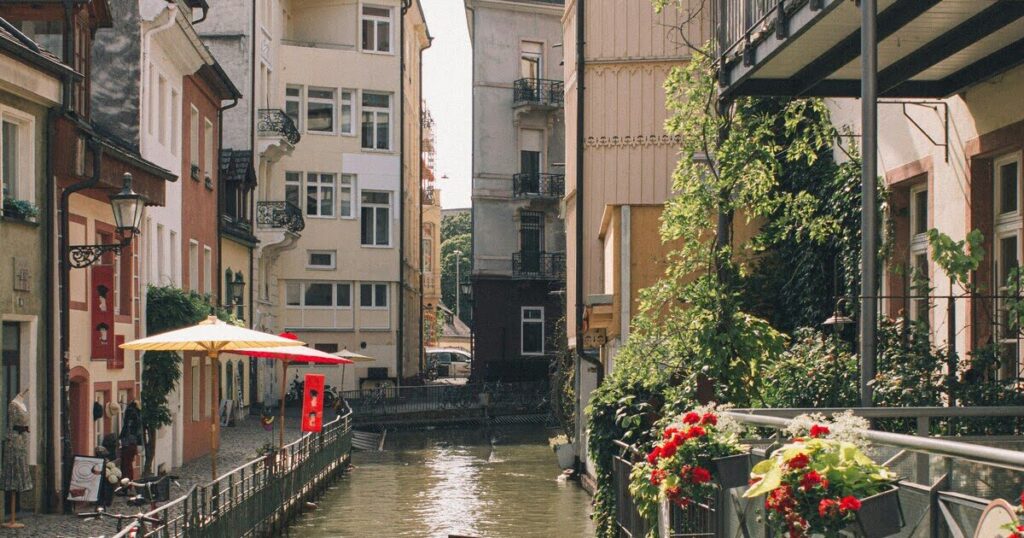
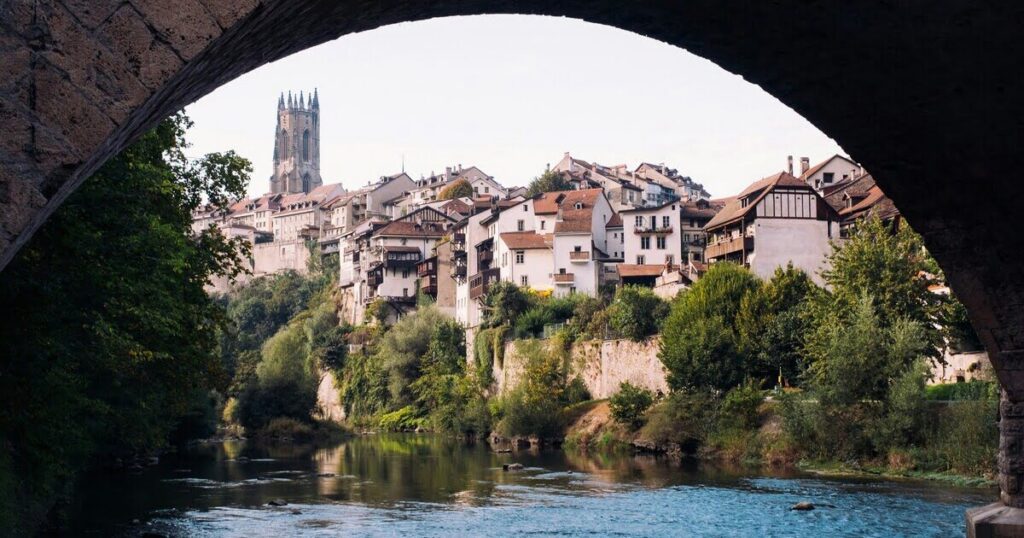

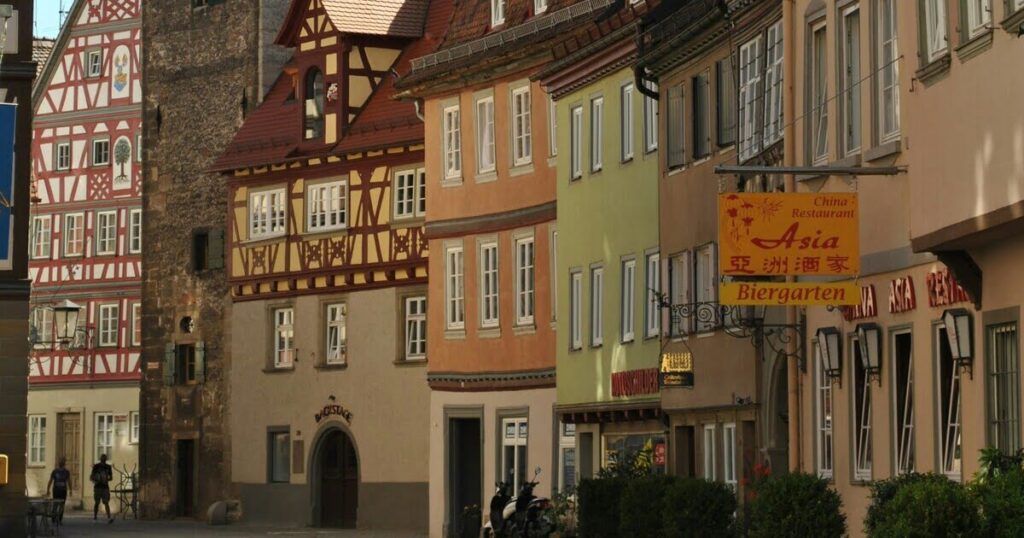
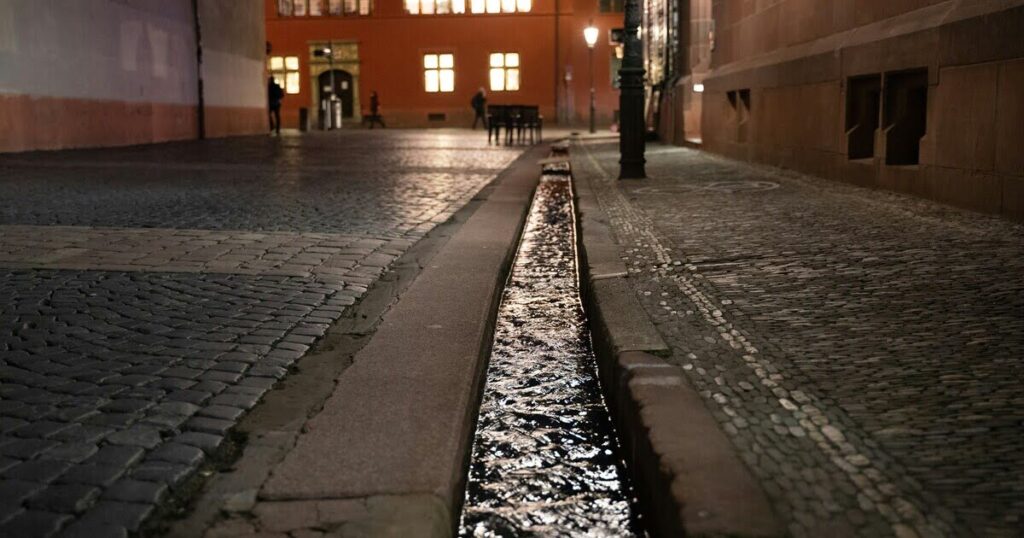
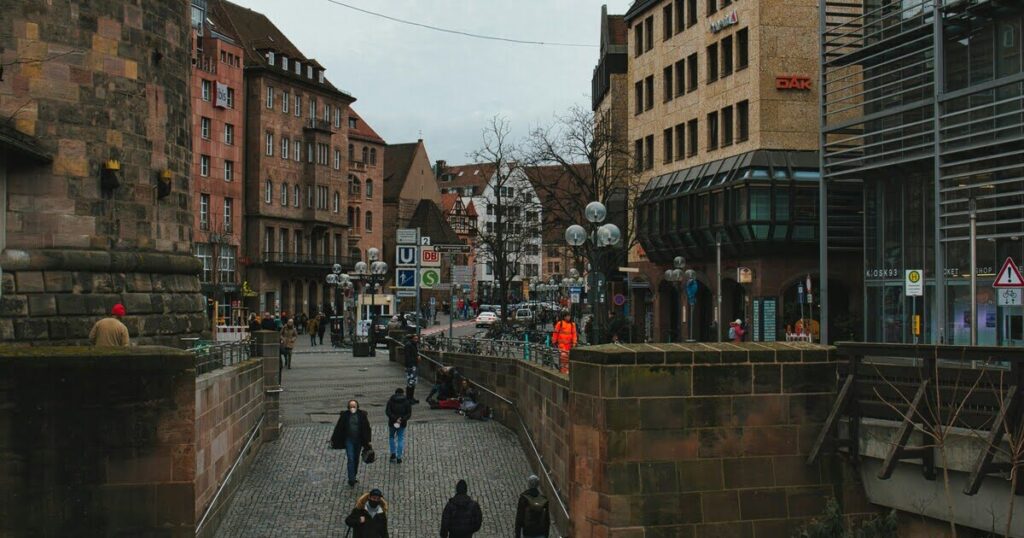
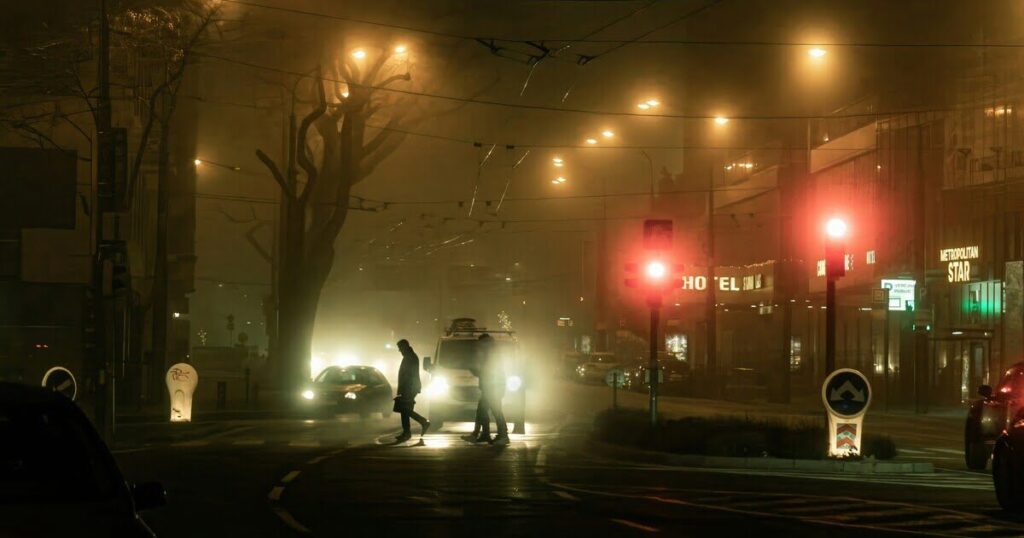
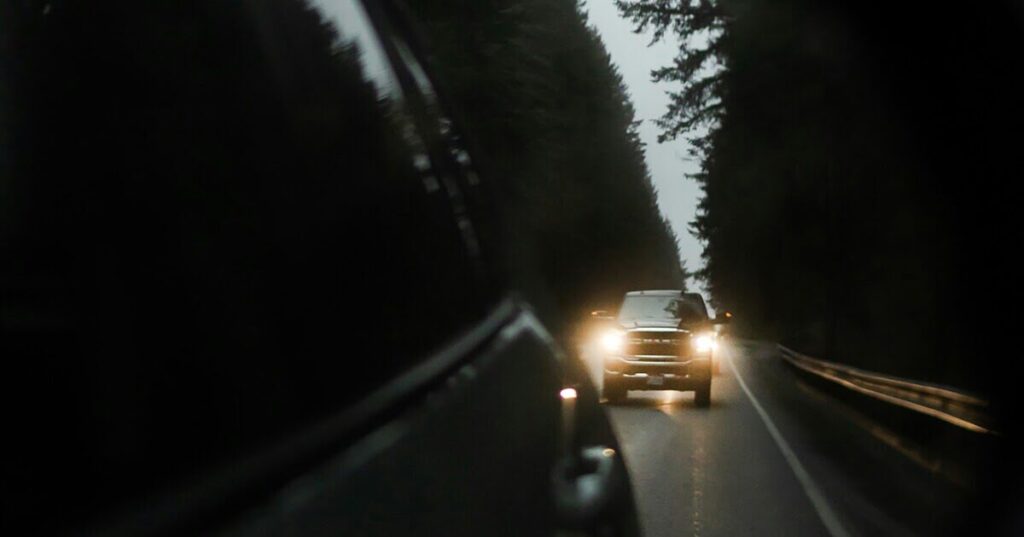
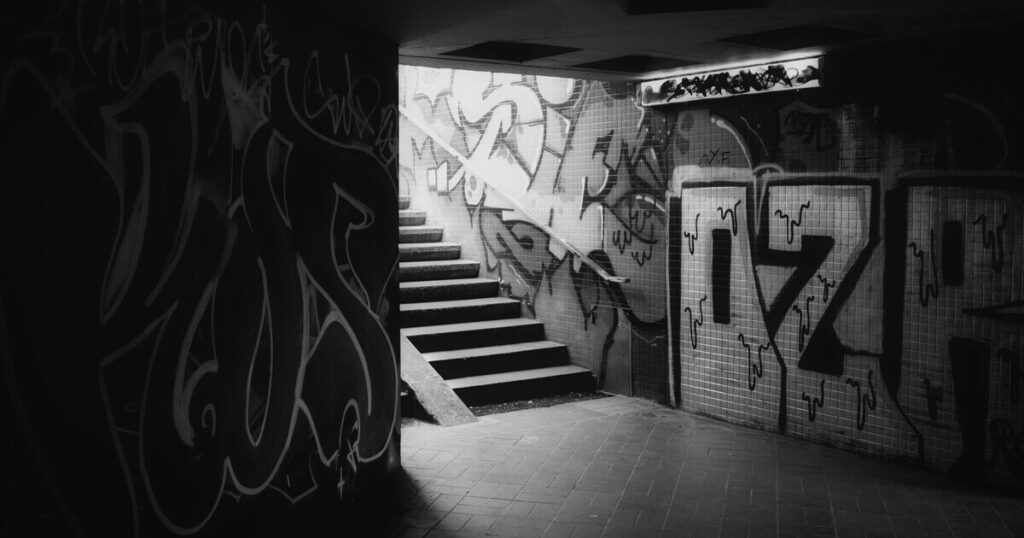
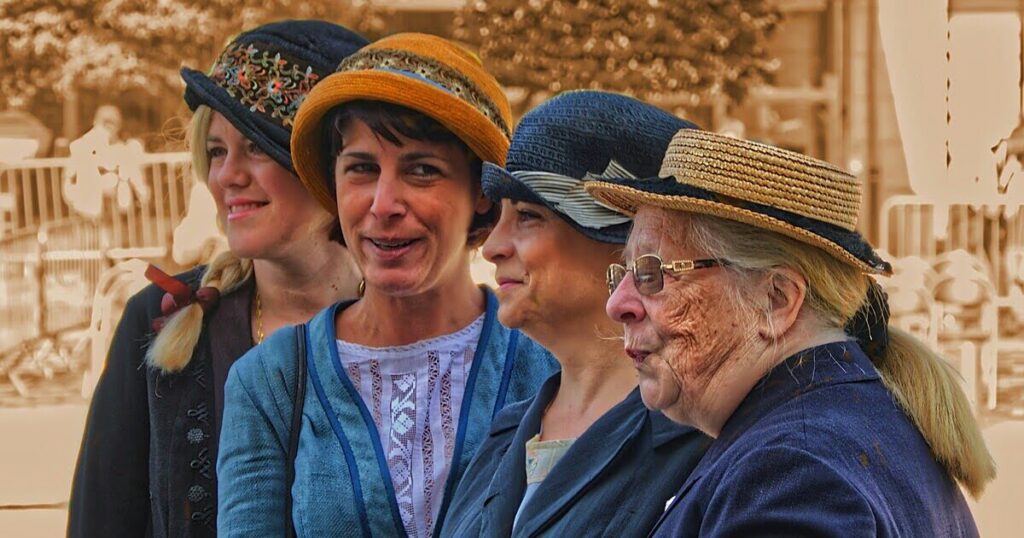
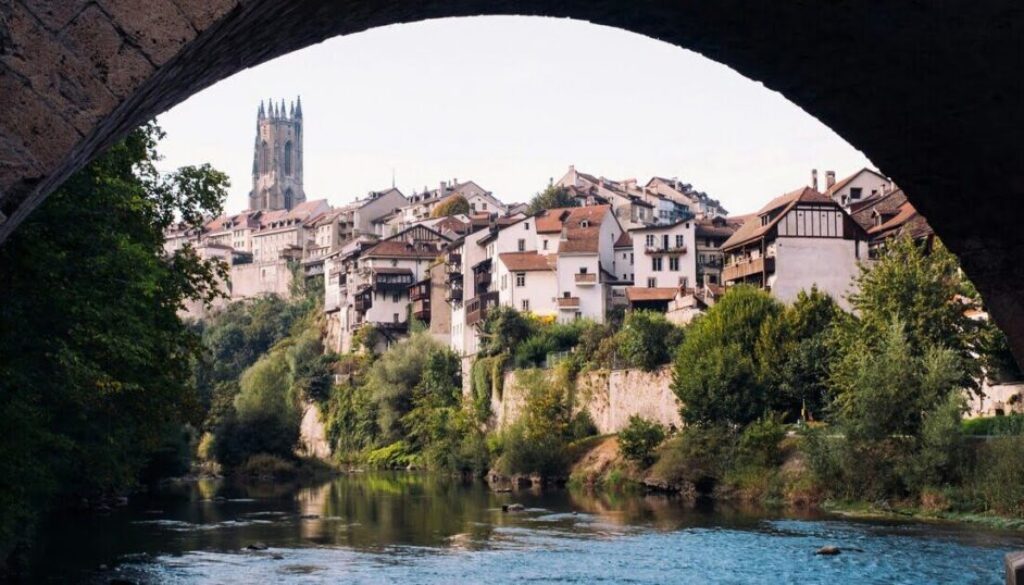
These images capture the moods, themes and locations of my current work in progress, “Murder 1 Floor Up.”
There’s a particular kind of story I’ve always loved – the kind that moves fast, makes you laugh unexpectedly, and sneaks in something true when you least expect it. Stories that are a little weird, a little dark, and full of characters who don’t always say the right thing but somehow still find their way to doing the right thing (eventually). Add a touch of magic, a few bruises, and maybe an explosion or two, and I’m hooked.
It’s urban fantasy – the pulp kind. Meaning: it’s gritty, funny, magical, and completely uninterested in taking itself too seriously. But it also knows when to slow down, when to hit a nerve, and when to let a moment breathe.
Think: street-level chaos meets meaningful character arcs.
Think: sword fights next to vending machines.
Think: wisecracks, wounds, and weirdness – all in one package.
And yes, I know “urban fantasy pulp” isn’t what gets picked for book clubs or awards. That’s okay. This isn’t that kind of book.
This is the kind of book I needed when I was younger. And maybe, more honestly, it’s the kind of book I still need. Especially now.
My sense is that a lot of people feel caught between irony and apathy, between wanting to care deeply and not knowing how to show it or if it’s even appropriate to try.
This is a story where you can be messy and still heroic. Where you can be funny and still be taken seriously. Where you can screw up and still come back from it.
That’s what I’m offering. With magic.
Someone in my writing group asked me recently: “Do you really need the fantasy element? Couldn’t this just be a straight mystery?”
Sure. It could be. But then it wouldn’t be this story.
Magic gives me permission to exaggerate, to explode things, to reach into metaphor and pull something real out of it. It gives my characters room to fight monsters that aren’t just symbolic – even though they also, totally are. It lets me make the internal external. That’s the beauty of fantasy.
Plus: and this matters – it’s fun. I want to laugh while I write. I want my readers to laugh while they read. I want to enjoy myself, even when I’m writing about heavy things. Maybe especially then.
Because we’re all carrying enough weight as it is.
I can’t fix everything.
But I can tell a damn fine story. Spin a good yarn.
One that says: You’re not crazy for feeling lost. You’re not alone for wanting something more. And yes, you can still be the kind of person you hope to become – even if it’s messy getting there.
That’s what pulp is good for. Beneath the snark and blood and flying debris, there’s a heart. There’s a beat that says, “Keep going. You’re not done yet.”
I’ll keep writing. I’ll keep laughing out loud while I do. And when this book is done, I hope it finds the people it’s meant to find – a specific kind of reader. Funny ones. Smart ones. Magical ones. With bite.
Thanks for being here.
If this sounds like your kind of thing – or like something someone you care about might enjoy – stick around. More to come soon.
People love to ask writers where they get their ideas.
It’s a fair question. But also a maddening one. The answers that come to mind always feel too simple – everywhere and everything in my whole life – or too obscure to be useful. Sometimes the truth sounds like a deflection. Sometimes it is one.
But here’s what I’ve come to believe: the question isn’t really about where ideas come from. It’s about why they take root. Why a particular image, question, or whisper of something strange stays lodged in the mind until it demands a story. Why a half-seen reflection in a window, a misheard phrase, a marginal note in a book sparks not just curiosity but compulsion.
The compulsion to create.
For me, the answer lies in a fascination with what doesn’t quite belong in what we believe to be the Real World, but insists on being seen anyway.
That’s why I’m writing a series of literary fantasy novels where the boundary between this world and others is thin. Sometimes dangerously so. Where beautiful, haunting, often unpredictable magic seeps into ordinary lives. Where strange manuscripts are sent to a boy and change his life. Where translations unlock doors to places you didn’t mean to open. Where mystery and romance walk hand in hand with the unknowable.
In many ways, this series is my answer to that impossible question, “Where do you get your ideas?” It’s both elusive and yet so essential, you could just as easily ask, “What is a soul?”
The stories are what happen when you live long enough with questions you can’t shake: What if the world we live in isn’t the only one? What if other realities brush against ours in quiet, eerie ways? What if certain people, certain minds, are attuned to those moments of contact? And what if that attunement is both gift and curse?
Writing, for me, is a kind of translation. Not from one language to another, but from imagination into language. From silence into narrative. From dream into story. The ideas are already there, humming just beneath the surface.
So where do I get my ideas?
From that in-between space. From the moment when something familiar turns just slightly strange. From the feeling that you’ve forgotten something important, and it’s waiting for you to remember.
This blog, and the books that will follow, are my attempts to do just that.
These stories, The Dalarna Ark Manuscripts, aren’t just novels. They’re framed as a discovery. The translator, my framing protagonist, is trying to make sense of a series of strange manuscripts, written by an enigmatic scribe whose fantastical, sometimes harrowing, sometimes tender stories seem to defy the laws of physics, history, and even memory. Are they fictions? Hallucinations? Or are they dispatches from a parallel world bleeding slowly into our own?
Each volume will begin and end with the translator’s unfolding journey, a mystery in itself. But at the heart of each book lies a collection of stories, dreamlike, uncanny, and deeply human, seemingly autobiographical accounts from the scribe. But how can they be true?
It’s a structure that mirrors how I experience inspiration: as fragments, echoes, scattered threads that only reveal a larger picture when you step back far enough – and then, dive in deeply enough. Way, way, way down into the deep.
The Dalarna Ark Manuscripts, as an in-depth series project, is my attempt to listen – and translate.
I’m at the very beginning stages of planning an in-depth series of novellas, which means arguing with myself about the best narrative voice, teetering between a protagonist’s generation, and feeling uncertain I can even really do this. My feelings about the project are bigger than my points of logic, the things I can easily point to and say: yes, it’s that – exactly.